In 2026, cleaning has become invisible. We present Self-Cleaning Nanotech Surfaces—technologies that make lobby interiors biologically and aesthetically flawless without human intervention. At Reception Space, we apply photocatalytic and superhydrophobic layers to metal, stone, and glass. This isn't just cleanliness; it's an active battle against pollutants and bacteria at the atomic level. We explore how nanotechnology saves time and creates the health standards of the future.
The Lotus Effect: Top-Tier Hydrophobicity
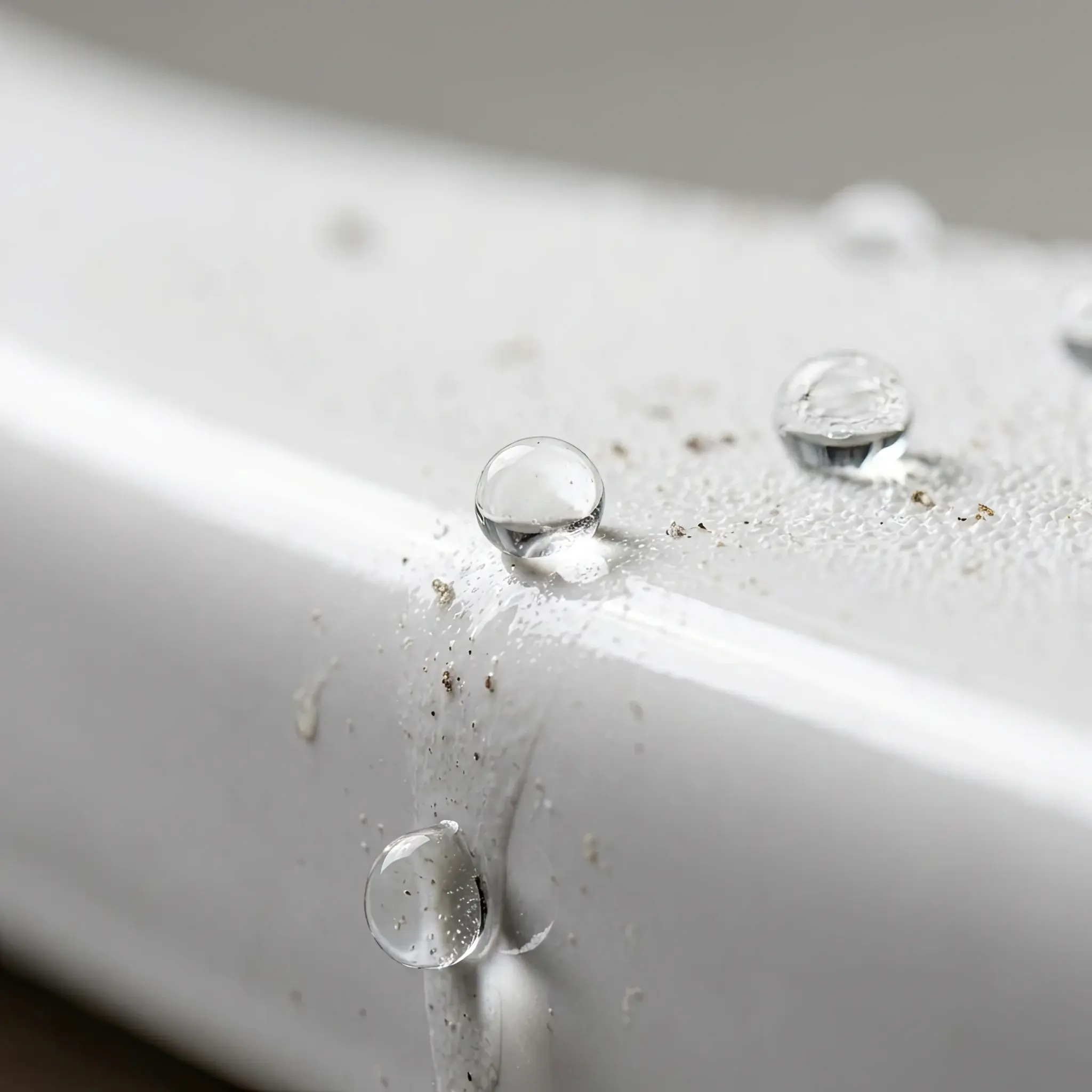
2026 technology creates a microscopic relief on material surfaces, mimicking a lotus leaf. In a Reception Space lobby, this means that any liquid—from spilled coffee to rainwater—turns into perfect spheres and rolls off, gathering dust particles along the way. The surface remains stay dry and clean. This eliminates stains and streaks on the most vulnerable interior elements, maintaining a 'first-day look' without daily polishing.
Photocatalysis: Sunlight as a Disinfectant
Breaking down dirt with light
Titanium dioxide-based nanocoatings in 2026 projects use interior light energy to trigger chemical reactions. At Reception Space, such surfaces actively break down organic contaminants, bacteria, and viruses into safe carbon dioxide and water. Your lobby becomes a giant antibacterial filter working 24/7. This is especially critical for high-traffic zones where traditional disinfection would be too intrusive.